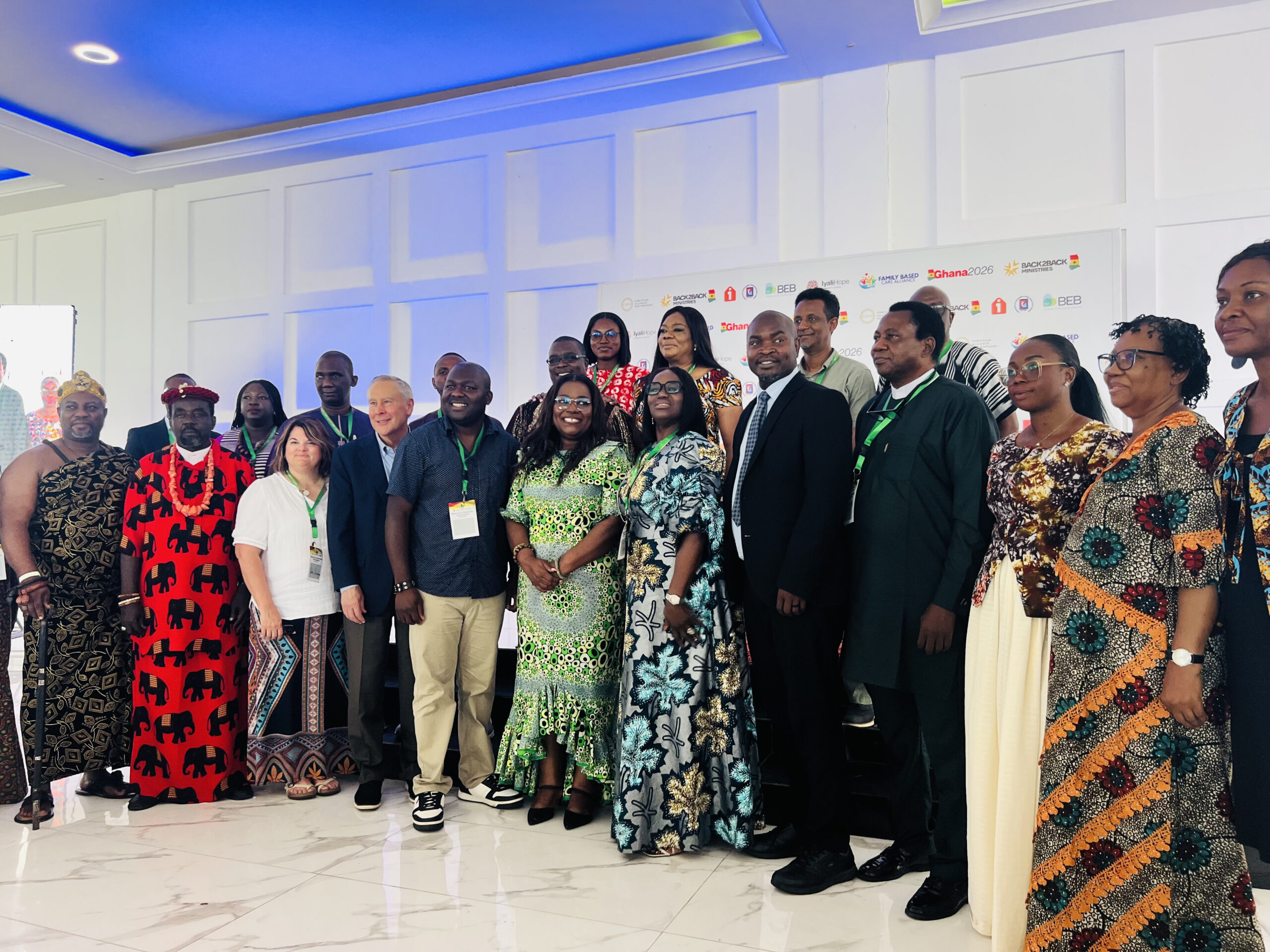
In a groundbreaking two-day event in Accra, Ghana, the West African Alternative Care Conference (WAACS) 2026 ignited a movement towards actionable change in child protection across West Africa. Held on 17th – 18th June, 2026, this pivotal conference brought together a diverse group of stakeholders, including government officials, child protection experts, development partners, faith leaders, legal professionals, researchers, practitioners, and advocates. With a theme centered on “From Commitment to Implementation: Scaling Family-Based Care Across West Africa,” the conference was a testament to a collective resolve to ensure every child has the chance to grow up in a safe, loving, and permanent family.
Moving Beyond Aspirations
Throughout the conference, one powerful sentiment resonated: mere commitment is not sufficient. While many countries in the region have laid a solid foundation through policies, legislation, and declarations, participants recognized the pressing need for implementation, transforming these commitments into tangible systems that reinforce families, prevent unnecessary separation, and provide stable, family-based care for children. This pivotal shift from policy discussions to practical applications became the essence of WAACS 2026.
A Regional Dialogue with Global Impact
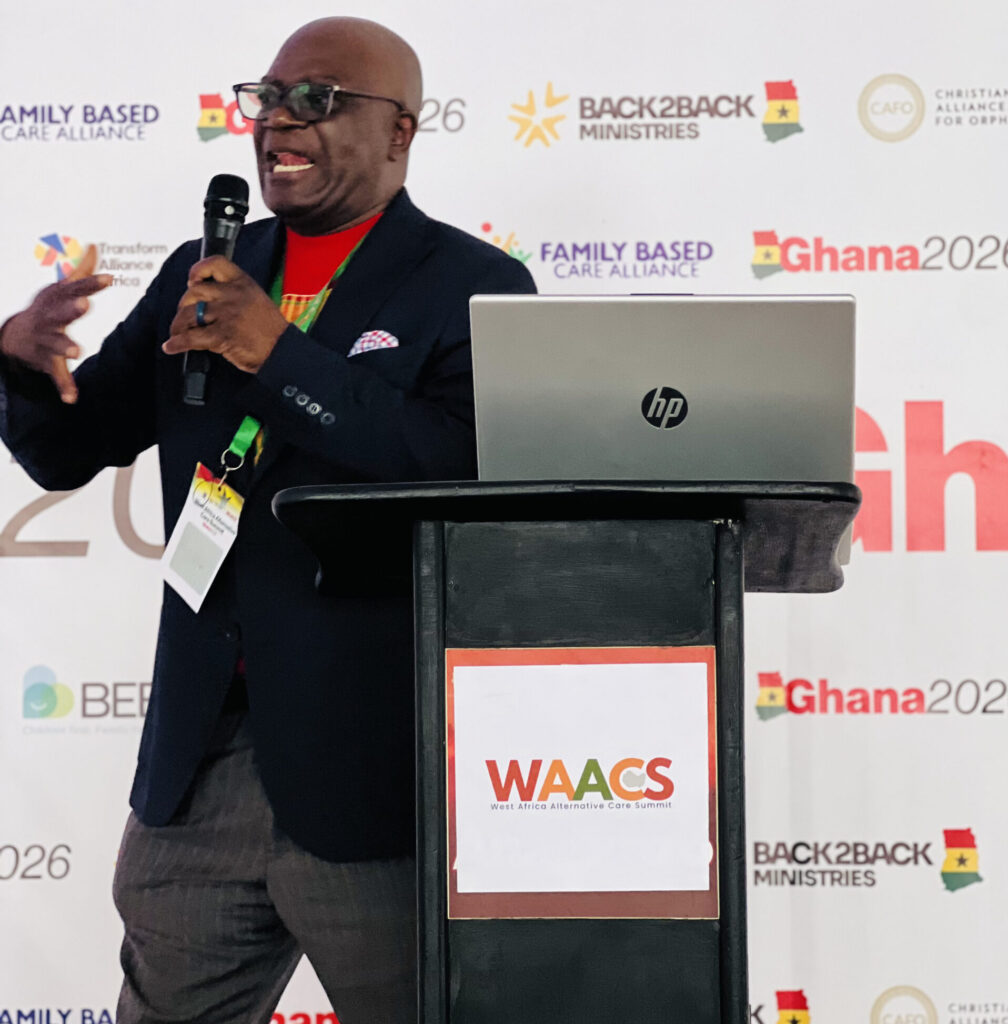
Delegates from West Africa and beyond enriched the conference with a wealth of diverse perspectives and experiences. The agenda featured compelling presentations on various topics, including Ghana’s care reform journey, trauma-informed care, the role of technology in child protection, family strengthening, mentoring, practitioner wellbeing, and lessons learned from successful reforms in Kenya and Rwanda.
A unifying theme emerged: children belong in families. Speakers emphasized that family-based care not only caters to the developmental needs of children but also yields stronger long-term outcomes for both children and communities. This reinforces the imperative that family strengthening must be the cornerstone of effective child protection systems.
Learning from African Success Stories
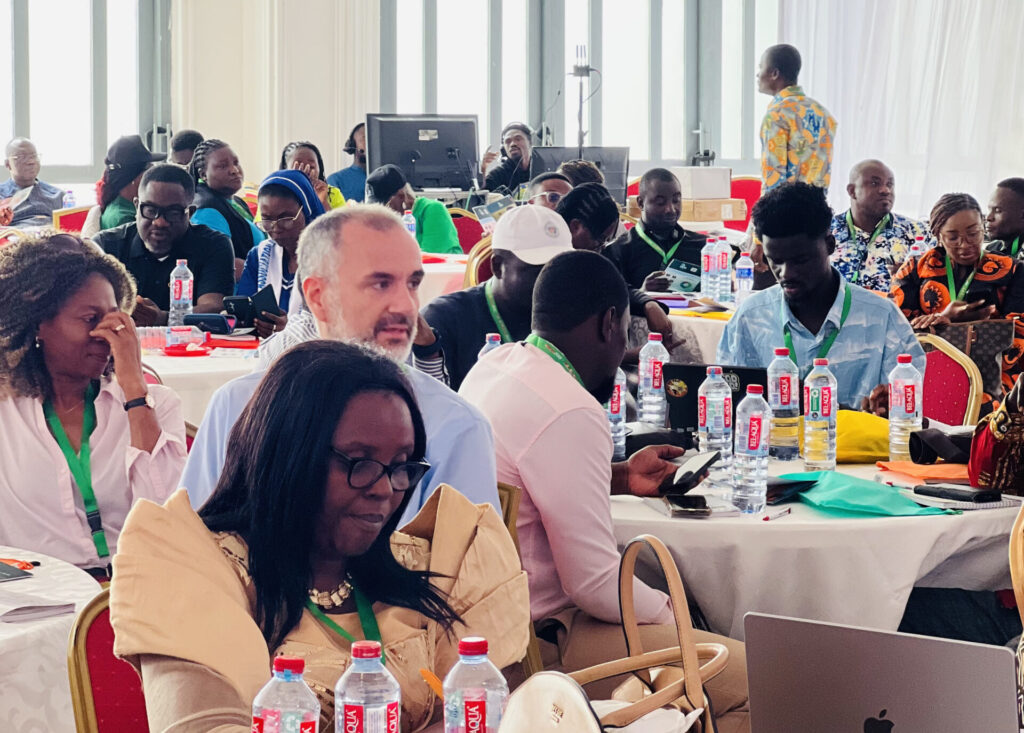
One of the standout features of the conference was the opportunity for cross-country learning. Participants engaged in discussions about Ghana’s ongoing care reform efforts alongside impressive experiences from Kenya and Rwanda, where government leadership, community engagement, and coordinated action have facilitated significant strides in transitioning children from institutional settings to family- and community-based care. These insights provided practical lessons to inform reforms throughout West Africa.
The exchange of ideas reaffirmed that meaningful reform is achievable when governments, civil society, faith organizations, and development partners unite in purpose.
Innovation as a Catalyst for Better Care
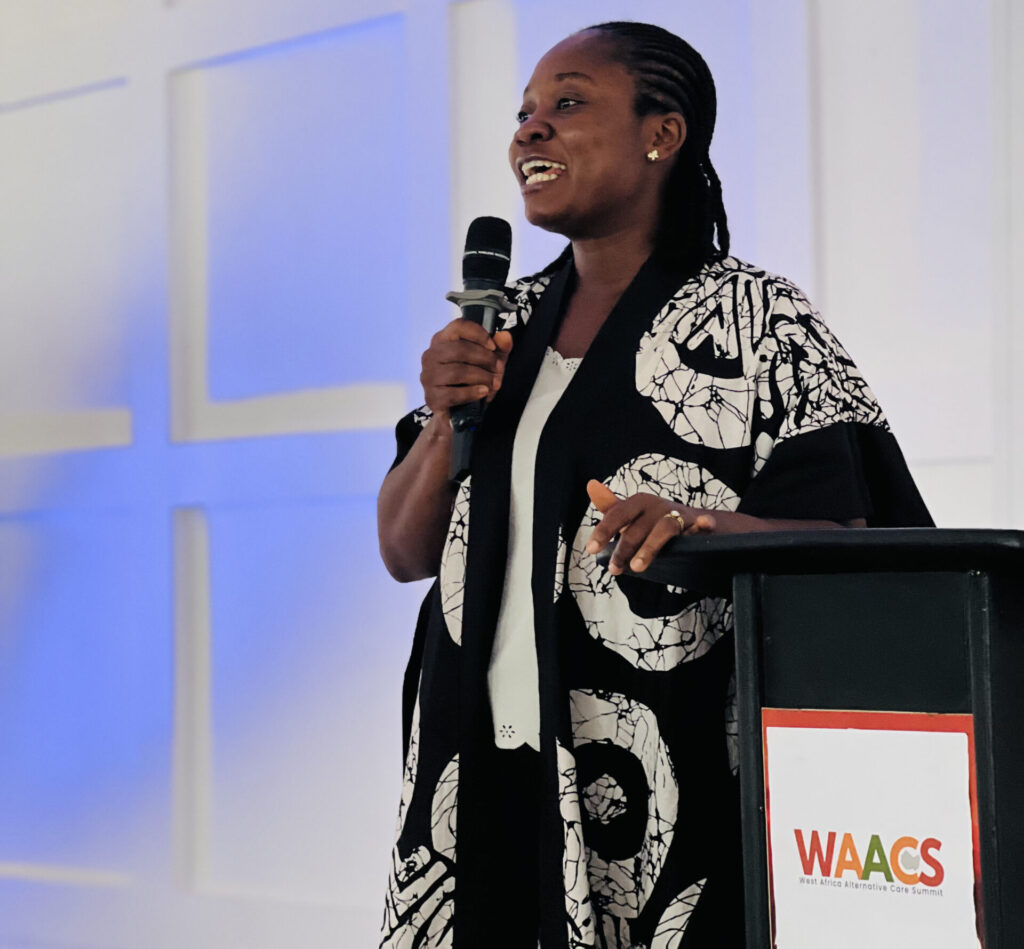
WAACS also spotlighted how innovation can enhance child protection systems. Sessions focused on leveraging technology to improve case management, increase visibility of children within protection systems, support family tracing, and facilitate more effective family-based placements. Participants acknowledged the importance of trauma-informed care, recognizing that children need not only safety but also healing, belonging, and supportive relationships to thrive. These discussions highlighted that sustainable care reform requires both cutting-edge tools and compassionate, child-centered practices.
Collaboration: The Cornerstone of Change
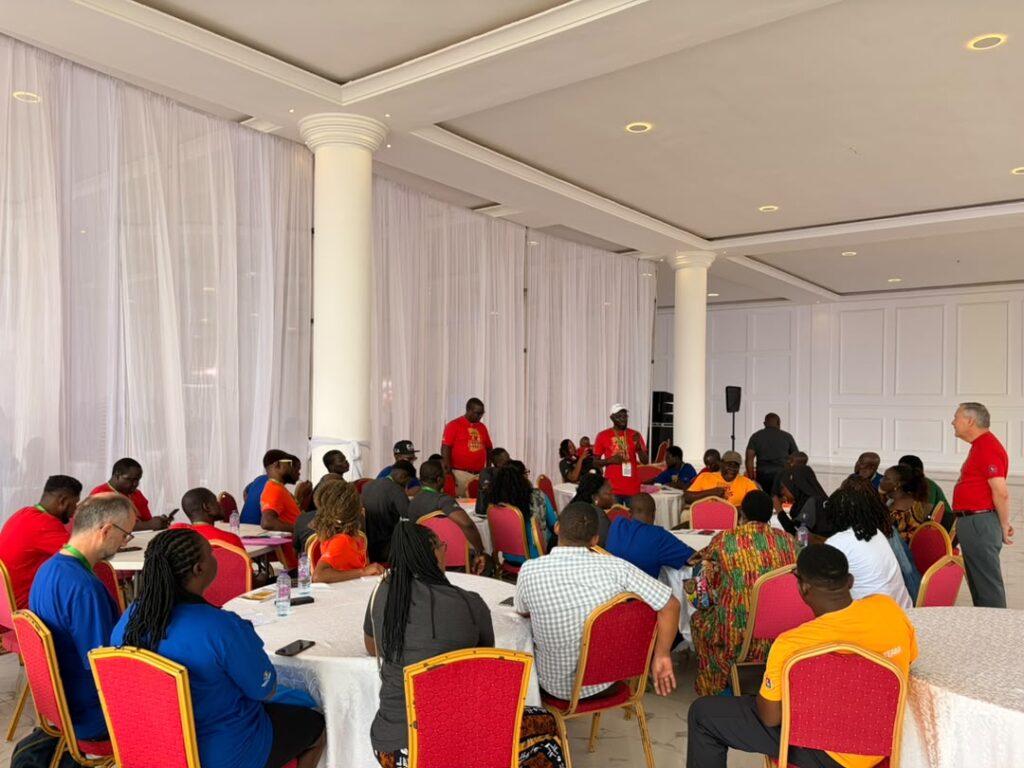
Collaboration emerged as a defining component for successful reform throughout the conference. Government institutions, civil society organizations, faith-based groups, development partners, caregivers, and practitioners all play unique but complementary roles in building systems that protect children and strengthen families. Participants repeatedly emphasized that no single entity can accomplish enduring change in isolation. WAACS not only fortified existing partnerships but also opened up avenues for cross-border cooperation and shared learning within the region.
Looking Forward
As delegates departed Accra, they left with more than just conference materials and new connections; they carried a renewed sense of purpose, actionable strategies, and a shared roadmap for expediting family-based care reform across West Africa. Commitments were made to fortify national networks, enhance policy implementation, invest in practitioners, expand regional collaboration, and utilize technology to improve outcomes for children.
However, the journey doesn’t end with the conclusion of the conference. WAACS 2026 has sparked a growing regional movement that recognizes that every child deserves more than mere protection—they deserve belonging, stability, and the opportunity to thrive within a loving family.
The transition from commitment to implementation has begun. Now, the collective challenge remains: to transform the promises made in Accra into enduring change for children and families across West Africa.
No responses yet