

For many children growing up with biological or adoptive parents, turning eighteen is often viewed as a liberating milestone, one marked by newfound freedom and independence. However, for some young people, this transition heralds a moment fraught with uncertainty, a sudden leap into adulthood without the emotional, social, or relational safety nets that most young people take for granted. This phenomenon, known as “ageing out of care,” remains one of the most vulnerable transitions within the child protection system.
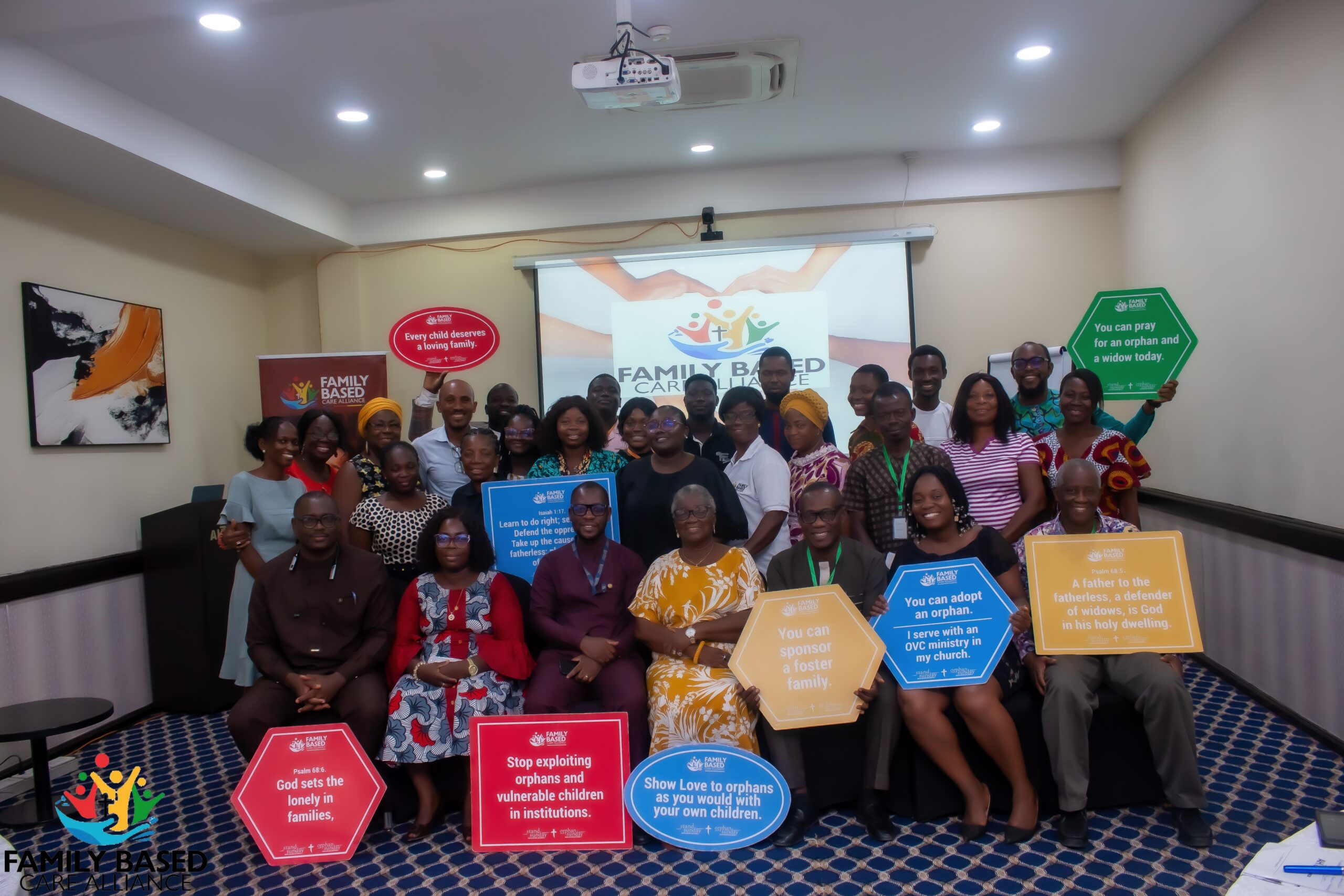
At Family Based Care Alliance (FaBCA), we believe that the end of institutional care should not signify the end of care itself. Guided by this conviction, FaBCA, in partnership with Both Ends Believing (B.E.B), organized a pivotal stakeholder engagement on November 27, 2025, at the A.H Hotel, East Legon. This gathering brought together a diverse group of individuals, including residential home managers, church leaders, social workers, and child protection practitioners, professionals acutely aware of the long-term impacts of early trauma and systemic gaps on vulnerable children.
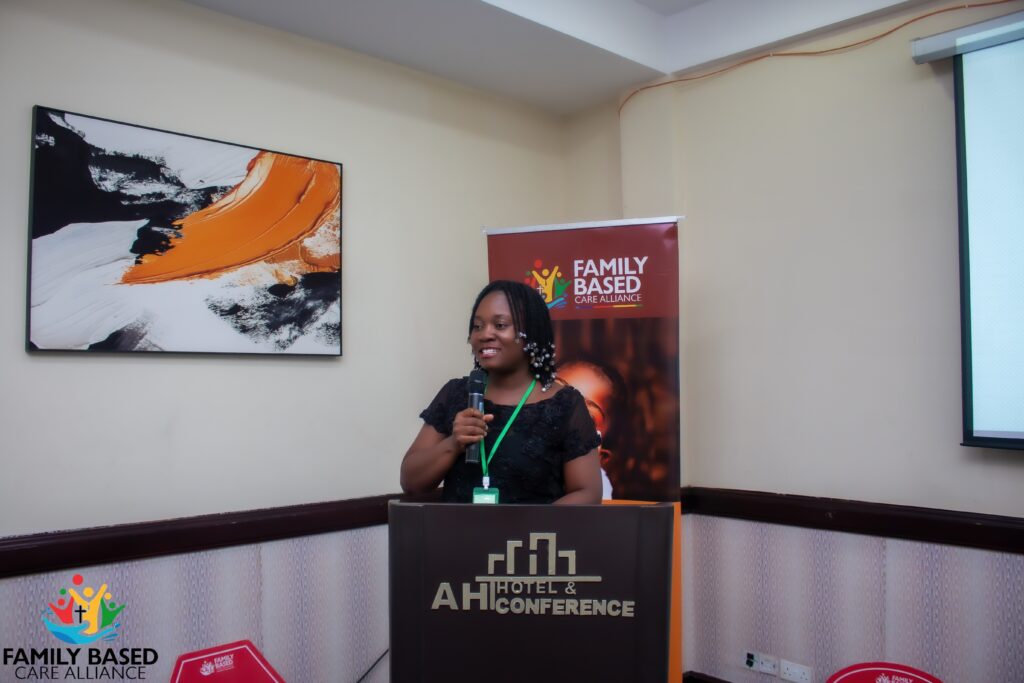
The event commenced with prayer, setting a reflective tone for what would become a deeply honest dialogue. Attendees were reminded that this was not merely a professional forum, but a shared responsibility toward children whose lives have been shaped by loss and adversity.
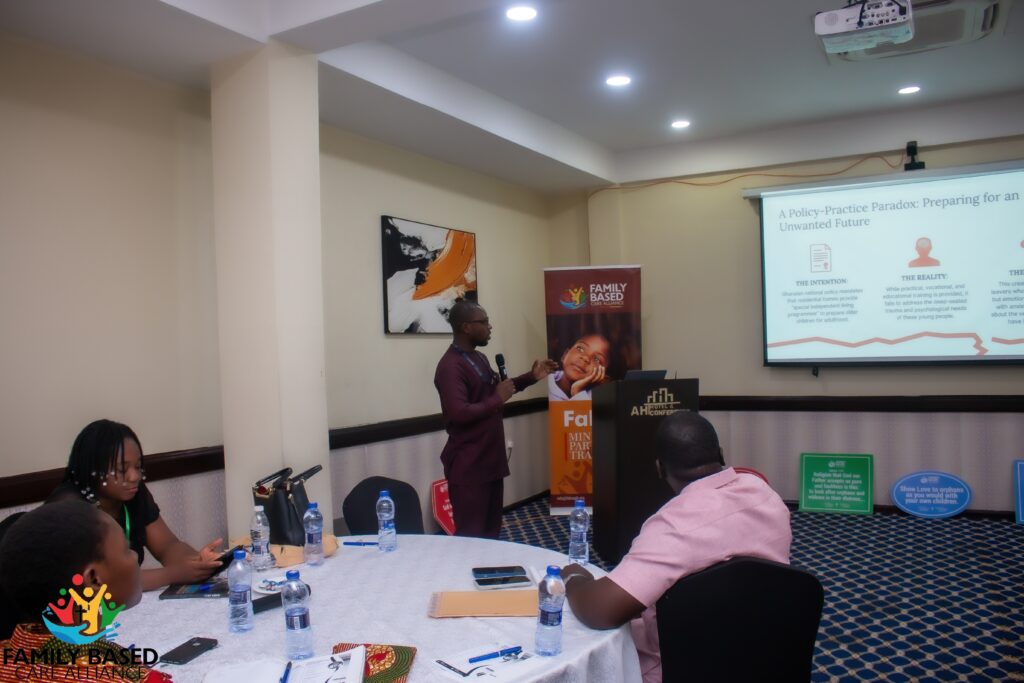
A defining moment of the engagement was a compelling presentation by Dr. David Kumador, who candidly outlined the core challenges faced by young people aging out of care. Drawing from both professional insights and personal experiences, Dr. Kumador elaborated on how unresolved trauma, manifesting as fear, rejection, abandonment, and low self-esteem, often lingers into adulthood. He asserted that many care leavers exit residential homes lacking adequate emotional healing, essential life skills, and preparation for independent living, rendering them susceptible to exploitation, isolation, and cycles of hardship. His powerful message grounded the day’s discussions in urgency, underscoring the real costs of inaction on the lives of these young individuals.
Following Dr. Kumador’s presentation, participants engaged in group discussions that traced the journey of a child leaving care, working on healing the past, navigating the present, and securing a hopeful future. A recurring theme across all groups emphasized a crucial truth: healing must precede independence. Stakeholders highlighted the necessity for trauma assessments, professional psychological support, and training programs for caregivers to respond to trauma with empathy rather than punishment.
Recognizing that healing is not solely a clinical process, participants identified prayer, spiritual support, and a consistent emotional presence as vital components in helping children rediscover their identity and value. Simple yet impactful experiences, such as outdoor excursions, involvement in local churches, spending time with families, and acquiring basic life skills, were viewed as powerful steps toward fostering belonging and self confidence.
Discussions also delved into preparation for the present, with a consensus that career guidance should begin early to reinforce the understanding that residential care is temporary. Equally important is the need for stable adults who can walk alongside these young individuals, checking in on them and modeling healthy relationships. Trauma often distorts self-perception, making intentional self-esteem rebuilding essential for their future success.

Looking ahead, conversations turned toward the urgent need to shift away from institutional dependence and embrace family-based solutions. Stakeholders stressed the importance of family tracing, reunification efforts, economic strengthening of families, and foster or temporary placements when reunification is not feasible. Strong systems, clear government transition policies, and collaboration among NGOs, churches, and social services are essential to ensure that no child transitions into adulthood without support.
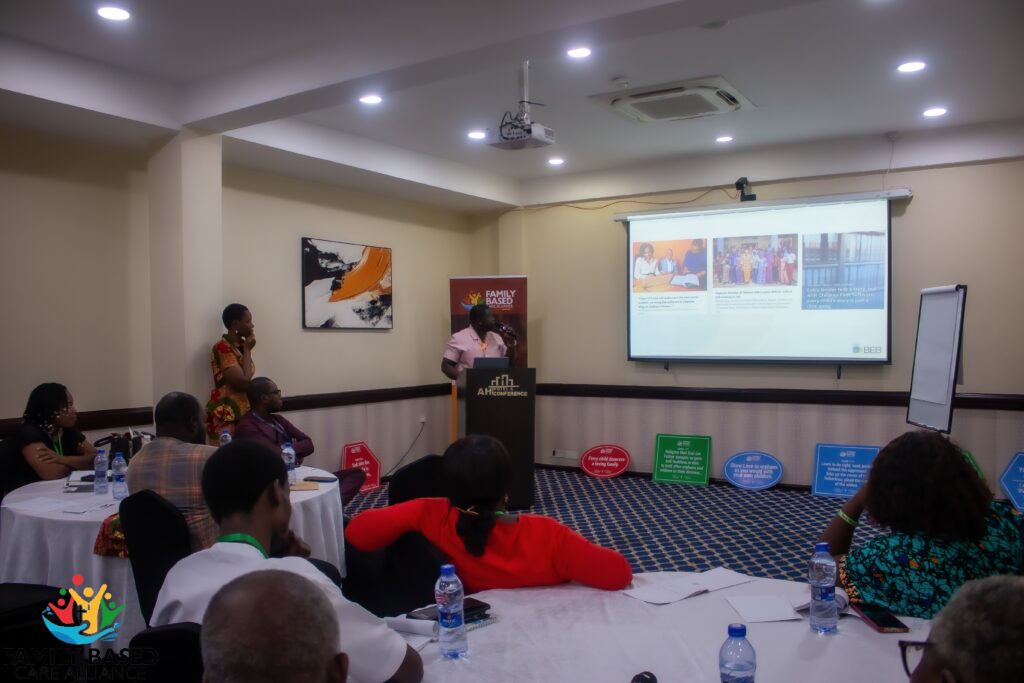
A significant highlight of the engagement was the presentation by Kwame Danso, Country Manager of Both Ends Believing (B.E.B). He outlined the tangible benefits available to residential homes partnering with B.E.B, including financial support, assistance with family reunification, and the introduction of the Children’s First Software (CFS), an innovative digital system designed to enhance data management and ensure that decisions remain centered around the needs of the child.
As the engagement ended, one truth became unmistakably clear: children do not outgrow their need for care simply because they reach adulthood.
At FaBCA, we remain steadfast in our commitment to advocate for trauma-informed, family-centered, and sustainable solutions for young people aging out of care. Inspired by the insights shared, particularly the sobering realities presented by Dr. Kumador, we urge churches, partners, policymakers, and communities to unite in support of these young individuals.
When the care ends, the journey must continue. Together, we can ensure that every child steps into adulthood equipped with healing, dignity, and hope.
No responses yet