

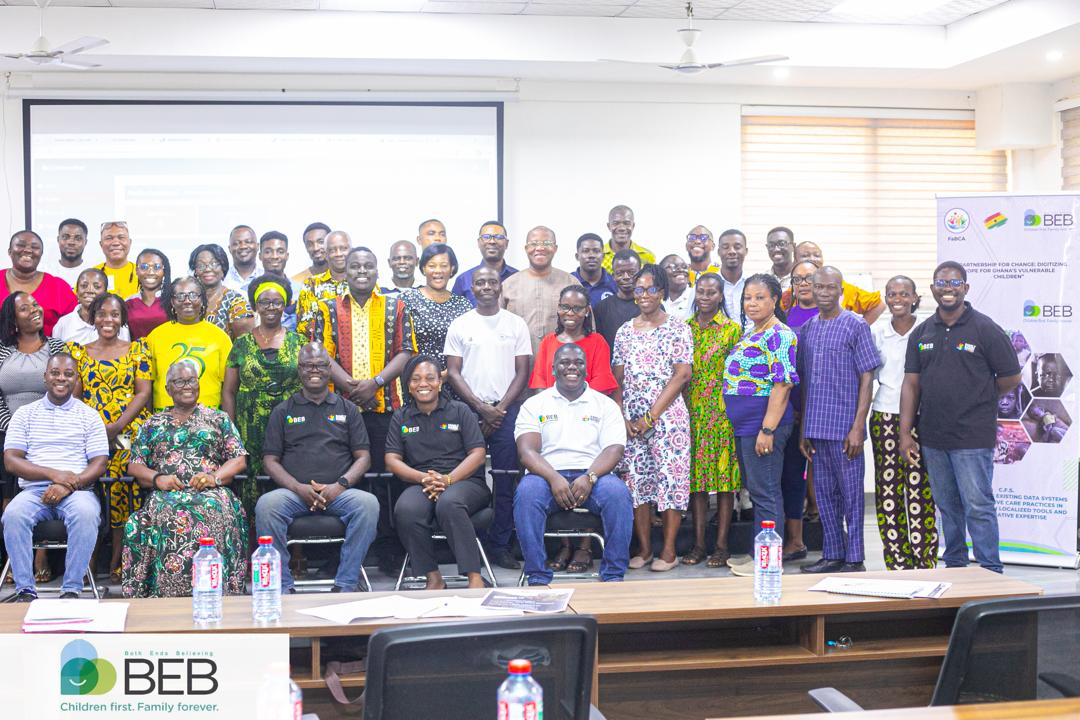
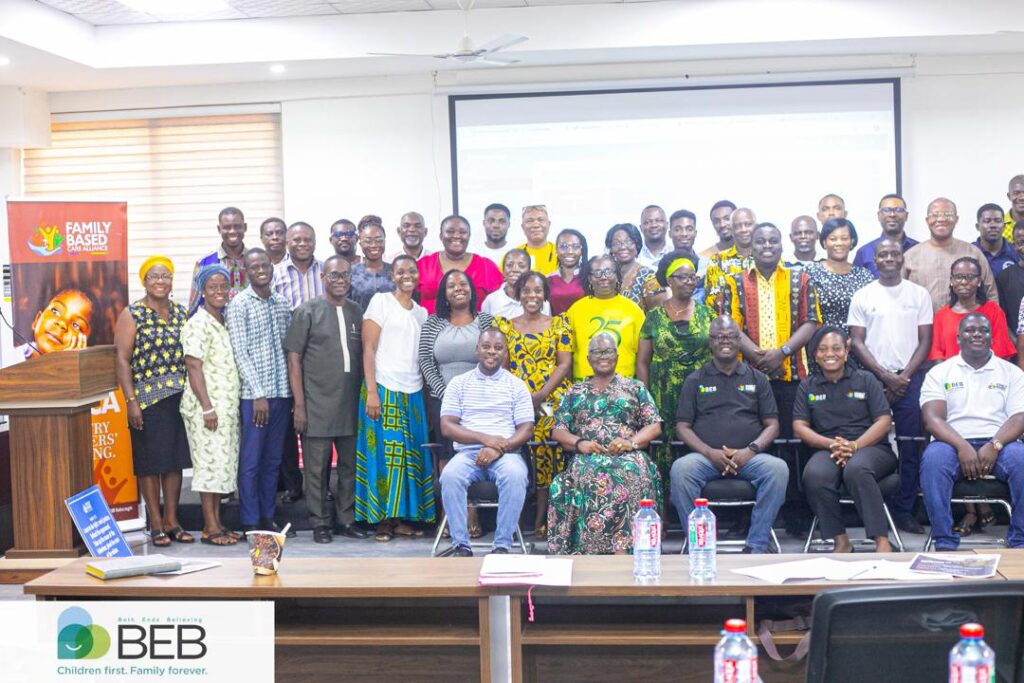
On February 26, 2026, the Family Based Care Alliance (FaBCA) brought together Residential Homes from the Greater Accra, Central, and Eastern Regions for a pivotal meeting to address critical challenges in Ghana’s child protection sector. This gathering, organized in partnership with Both Ends Believing (B.E.B), served as a powerful platform for caregivers, faith-based organizations, and child advocates to share their experiences and collectively seek meaningful reforms.
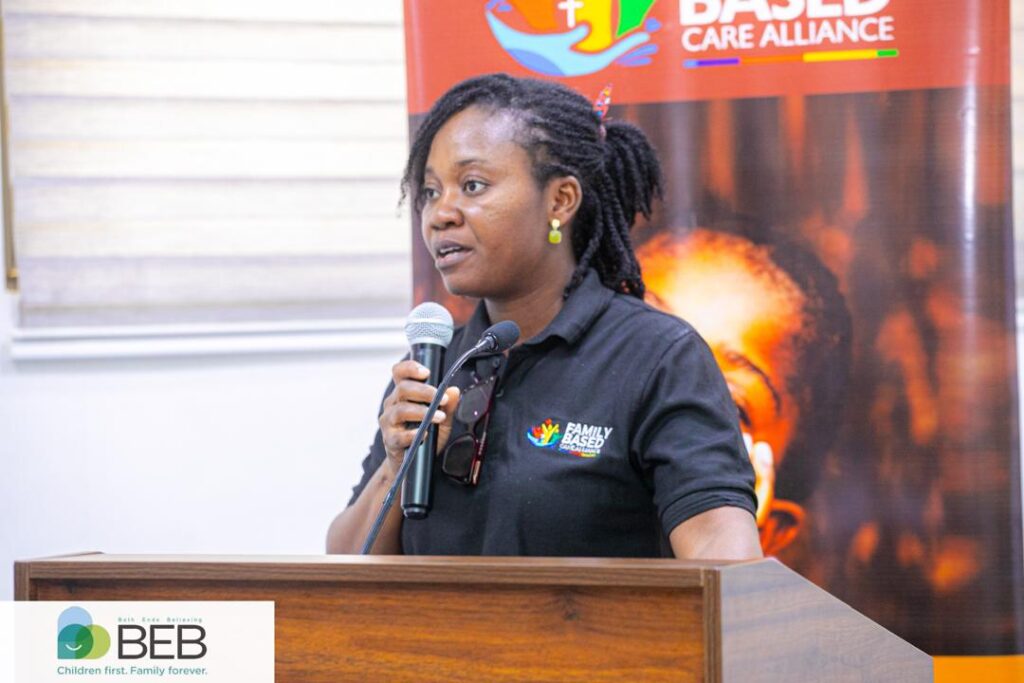
The role of Residential Homes is crucial for children who have faced abuse, abandonment, trafficking, or extreme poverty. However, many of these institutions navigate complex systemic challenges that hinder their work. During the meeting, participants voiced serious concerns regarding financial barriers that impede families from reintegrating children, the difficulties surrounding incomplete or poorly documented child histories, and the alarming rise in cases of missing and trafficked children. The slow responses from key government bodies and the inadequate systems for monitoring the reintegration of children were also major points of discussion.
Instead of allowing the meeting to conclude with discussions only, participants took a bold step forward. They drafted, adopted, and collectively signed a Communiqué outlining urgent challenges faced by Residential Homes and proposing actionable solutions to enhance Ghana’s child protection framework. Key recommendations included establishing clear response-time standards for child-related cases, enhancing inter-agency coordination, developing structured reintegration frameworks, and implementing a national strategy to combat the issues of missing and trafficked children.
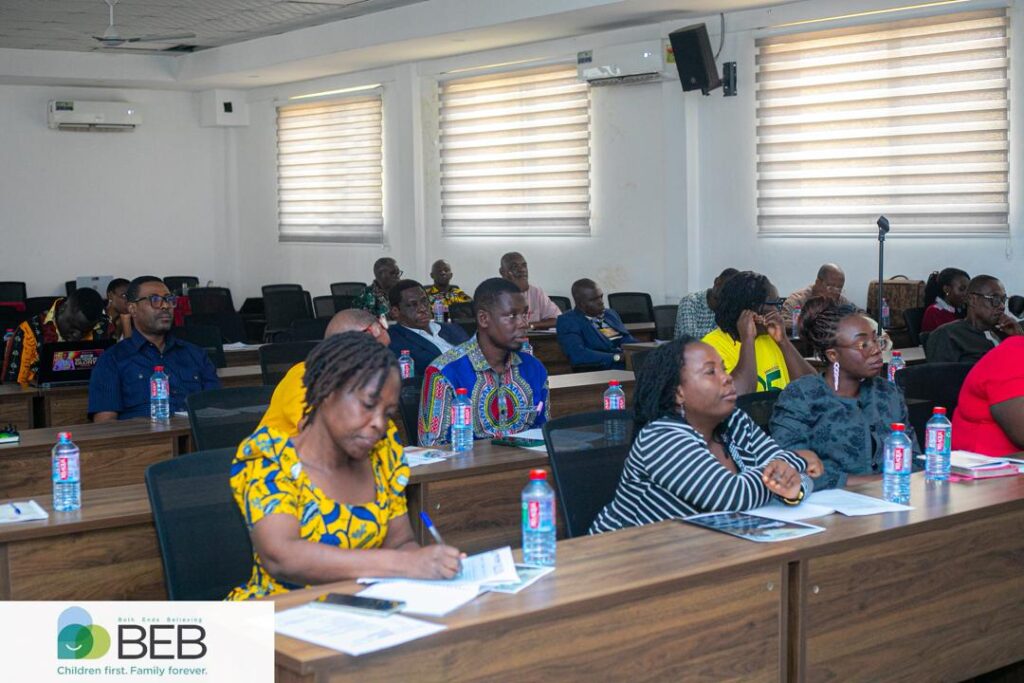
This signed Communiqué will be presented to the Honorable Minister of the Ministry of Gender, Children and Social Protection, the Director of the Department of Social Welfare, and the Inspector-General of Police. This marks a significant shift from isolated advocacy to a collaborative, evidence-based engagement at the national level, demonstrating a readiness to not only identify challenges but also work together on solutions.
Another significant highlight of the meeting was the introduction of the Children First Software (CFS), a digital case management system aimed at improving child data collection, documentation, and case tracking. Reliable data is essential for effective child protection; without it, efforts for reintegrating children and planning for their permanency are often stalled. The introduction of this digital platform signifies a critical move towards increased transparency, coordination, and accountability across institutions.
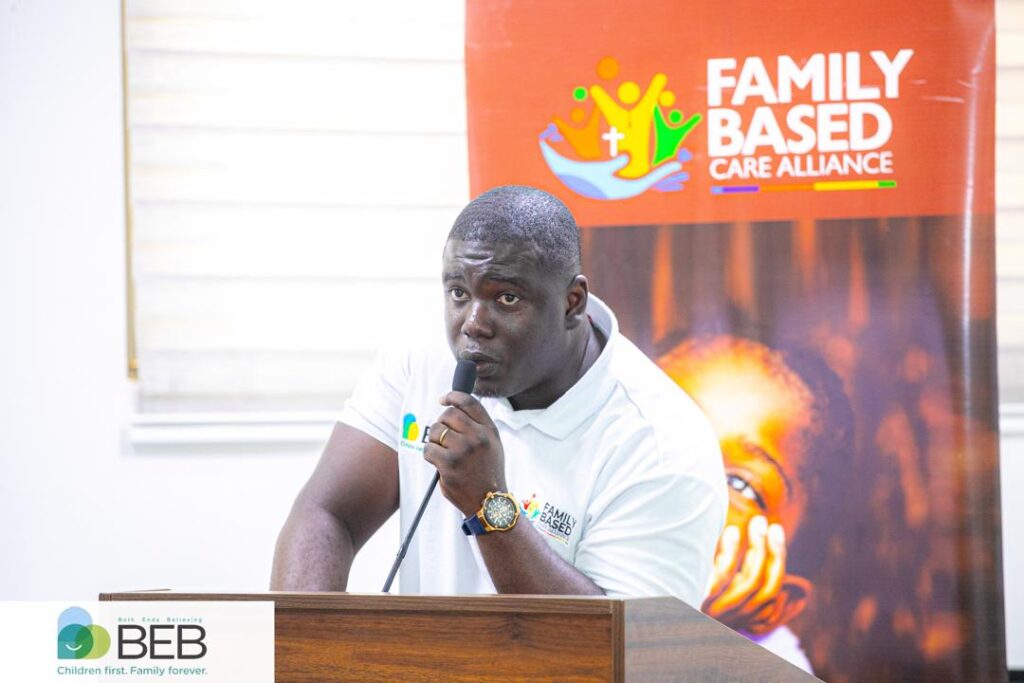
In the aftermath of the stakeholder engagement, FaBCA hosted a second session with newly joined Alliance members for 2026. These organizations and individuals are committed to FaBCA’s mission of fostering strong families for orphans and vulnerable children. Members were briefed on FaBCA’s vision, mission, and the goals for the year, which include various initiatives outlined in the 2026 Calendar of Activities.
Family Based Care Alliance is dedicated to ensuring that orphaned and vulnerable children thrive within supportive families through strategic partnerships and collaboration. The events of February 26 were more than just meetings; they represented a shared commitment to collective responsibility. By signing the Communiqué and pledging to collaborate, Residential Homes and Alliance members have shown that they can confront systemic challenges when united.
Moving forward, success will require meaningful engagement from the government, institutional accountability, innovative solutions, and ongoing community involvement. The groundwork has been laid. A unified call for reform has been made, and the commitment to coordinated national action for the well-being of every vulnerable child in Ghana is firmly established.
No responses yet