

Children should be free to laugh, learn, and dream without fear—yet many silently carry wounds no one sees. Trauma is a growing canker in our society; affecting countless lives, especially children, but receiving far too little attention and conversation. This reality inspired our Trauma Care Focus initiative, a bold step into the hidden spaces where hurt often lives unspoken.
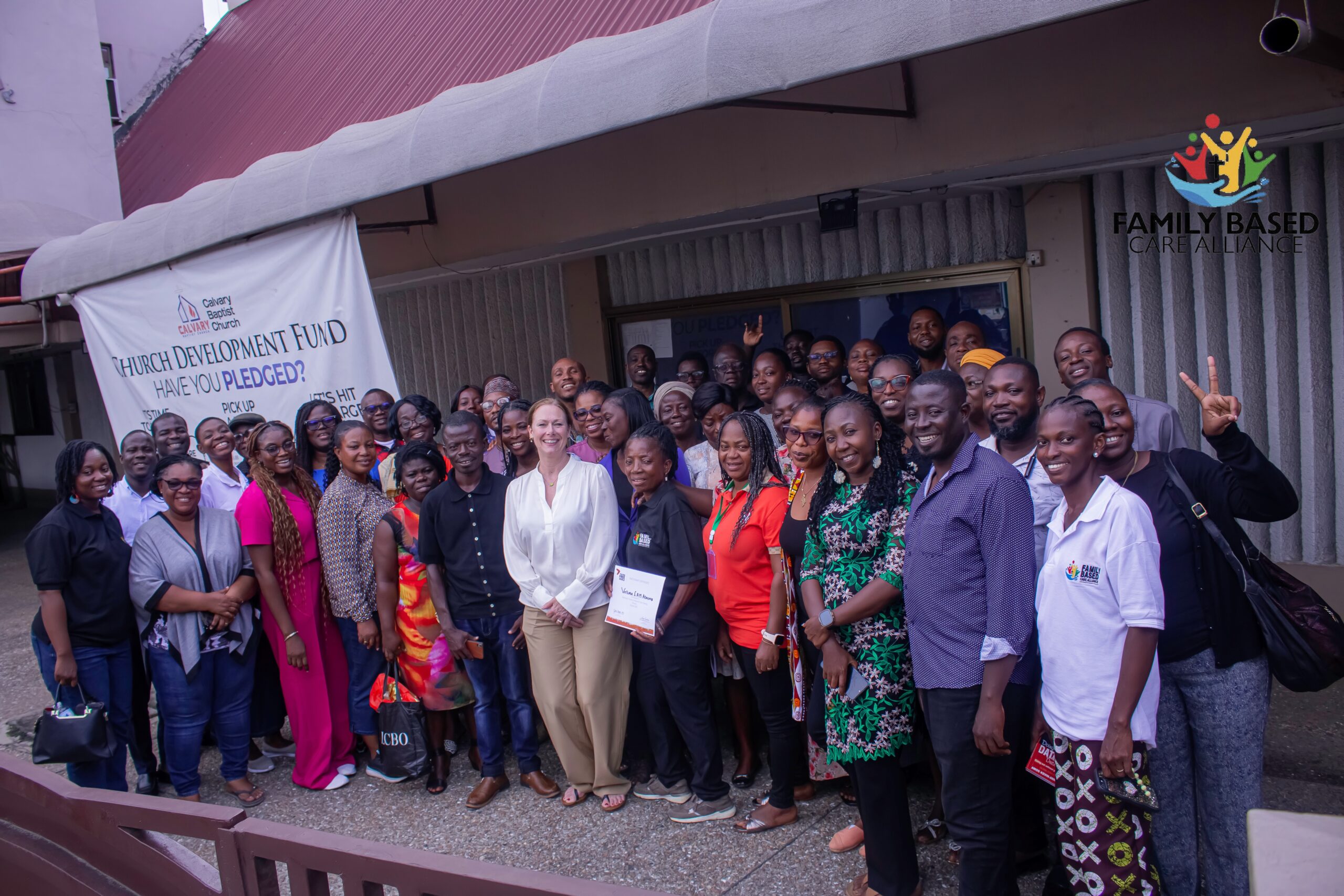
In this light, Family-Based Care Alliance, in partnership with Trauma Free World, organised a three-day intensive training on Competent Advanced Trauma Competent Care at Calvary Baptist Church, Adabraka bringing together over fifty (50) passionate participants. The program was designed to equip participants with practical knowledge and tools to understand and respond to trauma effectively. It became more than a training—it was a call to compassion, a reminder that every child deserves to be seen, heard, and supported on their journey toward healing.
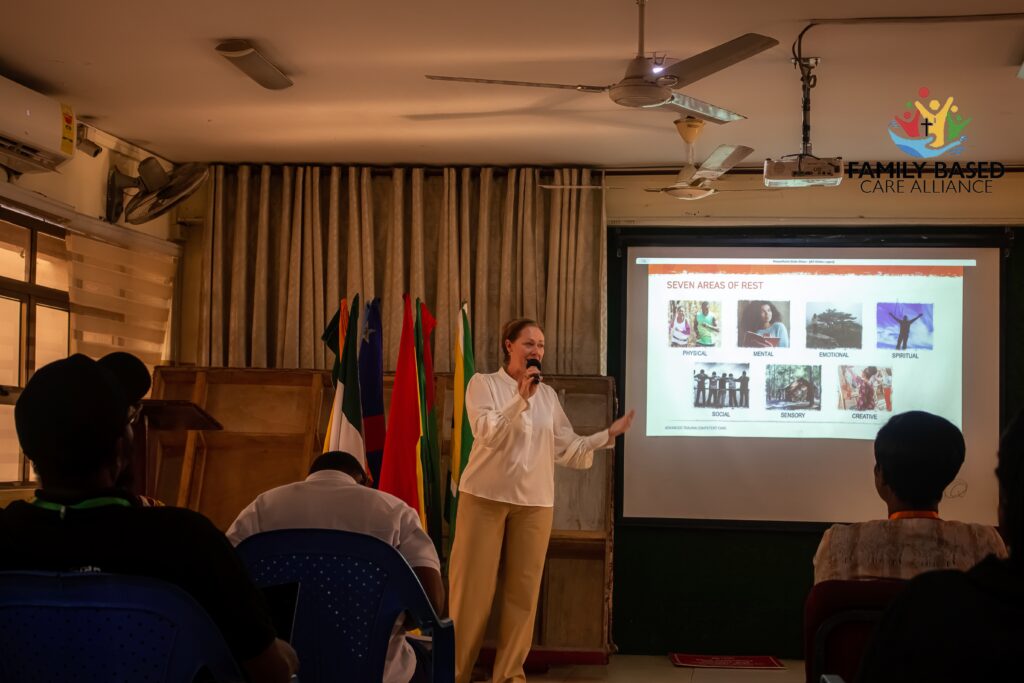
The three-day training was carefully structured to guide participants from awareness to deep understanding and practical application. Each day unfolded with new insights, honest reflections, and hands-on activities that brought the realities of trauma into full focus.
Day 1: Understanding the Impact of Chronic Trauma
The first day introduced participants to the profound effects of chronic trauma on children. Through Modules 1 to 3, the facilitators explored key themes including attachment, self-regulation, sensory processing, and resilience. Participants learned that trauma is not just a moment of pain—it rewires behavior, emotions, and even a child’s view of safety.
The sessions examined:
Why trauma-competent caregiving is essential
How to detect trauma-related behaviours and red flags
The nature of complex developmental trauma
What it means for a child to live in chronic fear
How attachment shapes a child’s response to the world
How resilience can be nurtured in traumatised children
etc.
Groups were given real-life scenarios and engaged in physical activities, drawings, and discussions to break down these concepts. Many participants opened up about situations happening in homes and communities, making day one both practical and deeply reflective.

Day 2: Safety, Connection, and Correction
Day two focused on Modules 3 to 6, with the central theme being Safety, Connection, and Correction — three pillars for trauma-informed caregiving.
Participants learned:
How to create safe environments where traumatized children feel protected
How to connect meaningfully as caregivers, social workers, and mentors
How to correct behaviour in ways that heal rather than harm, etc.
The discussions emphasised that children who have experienced trauma often need predictability, patience, and consistent reassurance. The day helped participants rethink discipline, communication, and relationship-building with children under their care.
Day 3: Integrating Learning and Emotional Reflection
The final day brought all the learning together. Facilitators highlighted how trauma affects not just emotions but physical health and development. Participants explored how the body stores stress, the long-term effects of unaddressed trauma, and the caregiver’s role in guiding healing.
One of the most emotional parts of the training was watching a series of videos showing real cases of children who had survived trauma and the transformation they experienced under trauma-competent caregivers. For many participants, the stories hit close to home, stirring deep emotions and personal reflection. Some realised they, too, carried unresolved trauma—reminding everyone that healing begins with the caregiver.
Daily recaps ensured that participants were following the discussions and could connect theory with personal and professional experiences.
By the end of the three days, several clear truths stood out for every participant:
Trauma is real, common, and often silent. Children rarely have the words to express their pain.
Behind an awkward or unseemly behavior is a message to the world. What looks like stubbornness, anger, or withdrawal may actually be fear, confusion, or unresolved hurt.
Healing begins with safety. A child cannot grow, learn, or thrive until they feel safe.
Caregivers must also heal. Unresolved trauma in adults can unknowingly shape how they respond to children.
Trauma-informed care is not optional. It is a responsibility — and an urgent one — for families, schools, churches, social workers, and communities.
The Advanced Trauma Competent Care Focus program was more than a training — it became a safe place for openness, learning, and transformation. It reminded us that behind every child is a story, behind every behaviour is a need, and behind every caregiver is an opportunity to offer healing.
Together, Family-Based Care Alliance and Trauma Free World created a space where difficult conversations could happen, where tears were allowed, and where compassion grew stronger. The impact of this experience will go far beyond the walls of Calvary Baptist Church; it will echo into homes, schools, communities, and the lives of children who desperately need trauma-competent care.
Call to Action: The Work Begins With Us
As a community, we must continue this conversation. Trauma is a canker that thrives in silence, and the responsibility to address it rests with all of us.
Let us commit to:
Listening more to our children and creating safer environments
Responding with understanding instead of judgment, and equipping ourselves with the right tools to support healing.
When we choose compassion, we change a child’s future.
When we choose awareness, we change a community.
And when we choose trauma-informed care, we change generations.
A sincere thank you to Trauma Free World for partnering with us and delivering such an insightful and intensive three-day trauma care training. We deeply appreciate your time, expertise, and commitment.
No responses yet